
Corvette C3 Birdcage Rust: How to Inspect & What to Look For (1968-1982)
What Is the “Birdcage” in a C3 Corvette?
Even though the outer body of every 1968-1982 Corvette is fiberglass and therefore cannot rust, the car still has a steel skeleton that absolutely can and very often does. This steel structure around the passenger compartment is universally called the birdcage.
The birdcage consists of boxed steel channels and pillars that run from the base of the windshield (A-pillars), over the doors, along the rear of the cabin, and down to the frame kick-up behind the seats. It supports the fiberglass body, holds the doors, windshield, and hinges, and ties the entire car together. The same basic birdcage design was used for all 15 model years of the C3 generation, only minor bracing changes were made over time.

When the birdcage rusts severely, repairs are extremely expensive (often $15,000–$40,000+), labor-intensive, and in the worst cases the car becomes structurally unsafe to drive. This is why “birdcage condition” is the very first thing experienced buyers and inspectors check on any 1968-1982 Corvette, regardless of how shiny the paint is.
Good news: if the car has lived its life in a dry climate (California, Arizona, Nevada, etc.) and has been garage-kept, the birdcage is usually perfect. Bad news: most East Coast, Midwest, and Northern cars that saw winter salt have at least some rust and many are beyond economical repair.
Most Common & Most Dangerous Birdcage Rust Areas
In every 1968–1982 C3 Corvette, rust almost always appears in the same four places:
- Windshield frame lower corners and A-pillars – the absolute worst and most expensive to repair
- Body mount cages & bolts (especially mounts behind the seats and the ones visible behind kick panels)
- Kick-up area behind the seats (visible from the rear storage compartment)
- Rear birdcage section in front of the rear wheels (visible through the small hatch in the rear wheel well)
Body Mounts: The Most Popular (But Not Foolproof) Inspection Spot
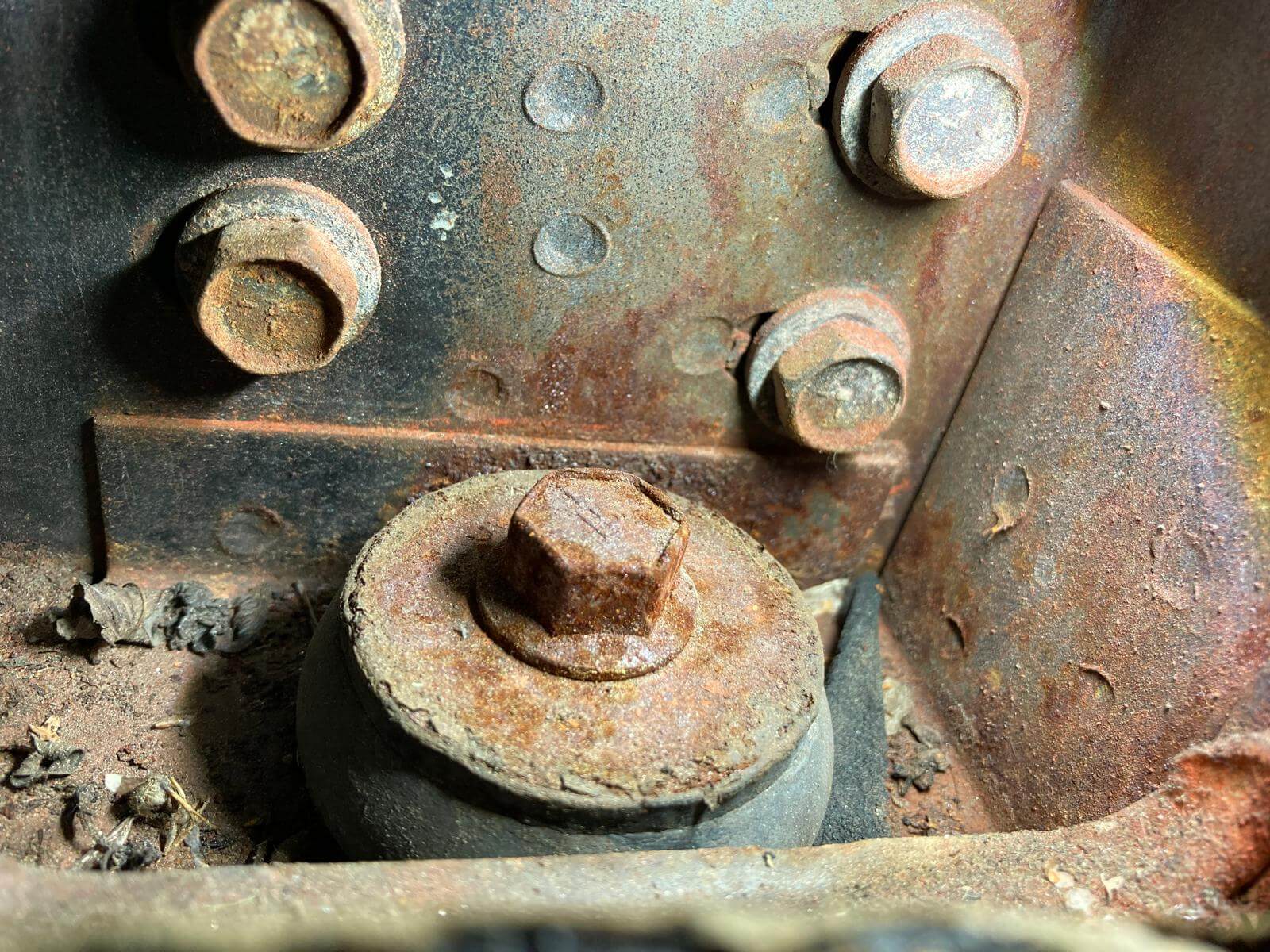
Light, even, orange surface rust = totally fine.
I see this on almost every single car that has ever been driven, even California cars. It’s cosmetic only.
Red flags:
- The 1-inch mounting bolt is completely rusted away or missing
- Metal is flaky, perforated or you can push a screwdriver through it
- There is fresh white or green corrosion (aluminum oxide or zinc corrosion from galvanic reaction)
When the bolt behind the kick panel is gone, 9 times out of 10 the windshield frame is also rotten.
Why Body Mounts Alone Are NOT Enough
I personally know several cars that passed a quick kick-panel check with flying colors… but had completely rotten windshield frames that required $25,000+ repairs. The body mounts can look perfect while the top of the birdcage is literally falling apart.
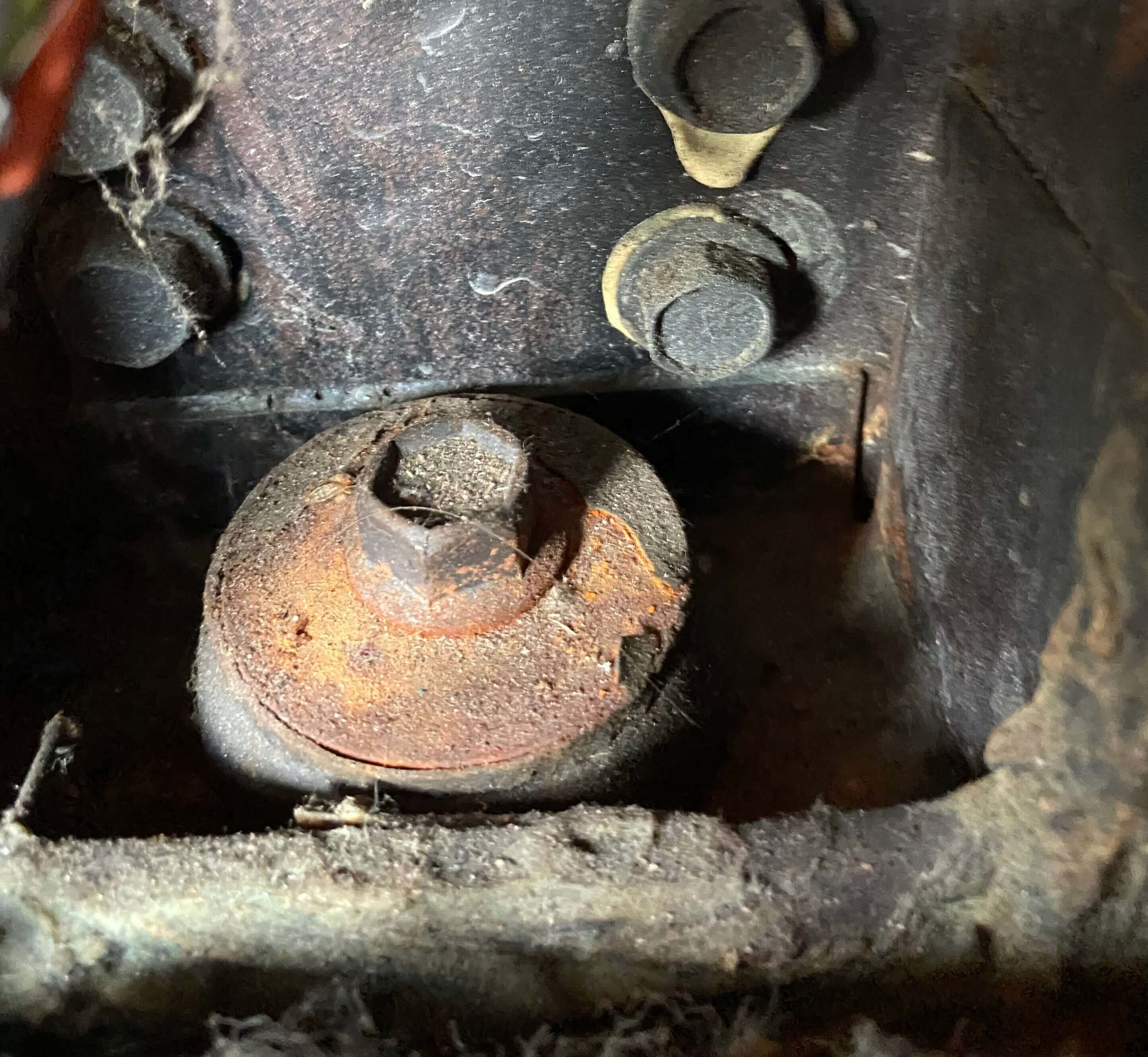
Real-World Example: My Rust-Free 1976 California Car
1976–1982 Bonus Problem: Steel Floor Pans + Leaking T-Tops
1975 and earlier cars have fiberglass floor pans → zero floor rust possible.
1976–1982 cars switched to pressed steel floors → if the T-Top weatherstrips have ever leaked (and they almost always do eventually), water runs straight down the birdcage channels and rots the floors and lower birdcage from the inside out. Many late C3s have perfect exteriors but completely rusted floor supports underneath the carpet.
Never Buy a C3 Corvette Without Checking These 5 Spots First
Birdcage and frame rust is hands-down the most expensive repair on any 1968–1982 Corvette – easily $15,000–$50,000+ if it’s bad. A shiny paint job hides nothing here. Always inspect yourself or pay a knowledgeable C3 inspector before any money changes hands.
Step-by-Step Birdcage Inspection Checklist
-
Kick-panel area (most popular quick check)
Remove the driver- and passenger-side plastic kick panels and metal sill plates (two screws + gently pry). Shine a strong flashlight on the #1 body mount bolt and cage. Light surface rust = fine. Missing bolt, flaky metal or holes = walk away or budget big money. -
Look straight up in the footwell
Lie on your back and look up with a flashlight – you’ll see the vertical birdcage channel that runs to the roof. Any perforation or heavy rot here usually means the windshield frame is also bad. -
Windshield frame & A-pillars
Walk around the car and closely inspect where the windshield rubber meets the body, especially the lower corners. If you see bubbling paint, cracks, or previous poor repairs, the frame is almost certainly rotten. -
Rear wheel well hatch
Open the small rectangular access door inside each rear wheel well (behind the tire). This shows the birdcage section right in front of the rear axle, one of the most rust-prone areas on salty-road cars.
If you’re not comfortable doing this yourself, watch these two excellent YouTube buyer’s guides:
- Ten Rules For Buying Your First C3 Corvette – Corvette Ben
- Complete C3 Corvette Buyer’s Guide – Cletus McFarland
I also wrote a full C3 Corvette Buyer’s Checklist that includes VIN verification, engine stamping checks, options decoding and more – completely free.
Continue Exploring

Decoders Hub
VIN and trim tag decoders, checks, and guidance for authenticity and data lookups.

C3 Years Hub
Spotter guides and model‑year differences with jump links to each year’s in‑depth pages.

Articles Hub
Technical guides, history deep‑dives, buyer notes, and special features for the C3 era.
Share Your C3 Knowledge
Have insights to share? We welcome your expert feedback, technical discussions, and Corvette-related stories. Your contributions help keep this Corvette community thriving! Join the conversation below.
Page last updated: November 2025