
Corvette C3 Restomod vs. Original
The Chevrolet Corvette C3, produced from 1968 to 1982, holds a special place in the legacy of classic American sports cars. When it comes to ownership, enthusiasts often face a crucial dilemma: restomod or preservation of the original? This article dives into the advantages, drawbacks, and considerations for both paths, helping you decide which approach aligns with your goals and values.
Original Corvette C3: A Time Capsule
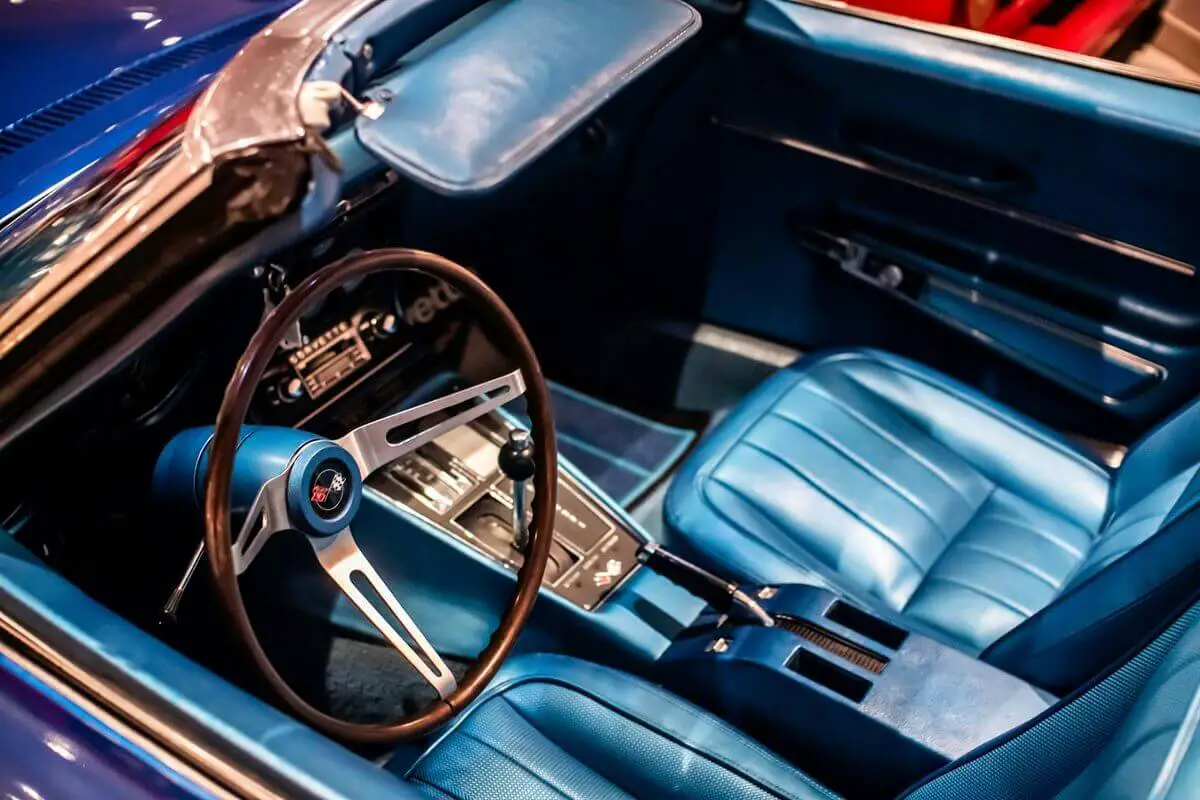
Preserving a Corvette C3 in its original condition is a celebration of automotive history. Originality includes maintaining the stock engine, transmission, and factory-installed components. This can also include ensuring the car is a "matching numbers" example, meaning the engine, transmission, and other key components align with the original factory records.
Key characteristics of original C3s
- Factory-correct paint codes, interior trims, and engine configurations.
- Classic driving dynamics with carbureted engines, except for the 1982 model with Crossfire Injection.
- Original seats, lights, and wheels, all of which contribute to maintaining the car's authenticity and period-correct appearance, appealing to purists and collectors alike.
The chrome bumper models (1968–1972) are more popular and feature higher horsepower engines than the later C3 model years. Their higher market value often makes them better candidates for restoration, ensuring their appeal and longevity.
Fortunately, there are also enthusiasts for the later models who are dedicated to keeping their cars in original condition. Regardless of your Corvette's model year, The National Corvette Restorers Society (NCRS) provides activities and guidance for maintaining and verifying originality.
What is a Restomod?
A restomod blends the best of old-school aesthetics with modern technology. The term combines "restoration" and "modification," and the goal is to improve performance, comfort, and reliability while retaining the car's iconic appearance.
Typical upgrades for a Corvette C3 restomod include
- Modern engines (e.g., LS-series V8s) for improved horsepower and efficiency.
- Advanced suspension systems for better handling.
- Better disc brakes, electronic fuel injection, and modern air conditioning.
- Contemporary interiors with touchscreen infotainment systems and ergonomic seats.
Restomods prioritize driving enjoyment and practicality while respecting the car’s heritage

Performance: Old-School Charm vs. Modern Power
The Corvette C3's original engines, like the small-block 350 or the big-block 427, deliver raw, unfiltered power. However, their performance may feel dated compared to modern standards. Restomods often replace these engines with modern powerplants like the LS, delivering even over 400 horsepower with better fuel economy and reliability.
Restomods often feature modern transmission upgrades as well, such as 5-speed manuals or 4- to 6-speed automatics with overdrive, enhancing driving comfort and performance, especially for long-distance cruising.
While original setups may struggle with vapor lock, cold starts, and carburetor tuning, restomods offer seamless ignition, precise fuel delivery, and overall better drivability.
If you prioritize a smooth, powerful driving experience, restomods excel. For purists who enjoy the quirks and sounds of vintage engines, the original wins.
Aesthetics: Preserving History vs. Personalization
The Corvette C3's sleek, shark-like body is iconic regardless of its configuration. Originals maintain the factory lines, colors, and styling, often appealing to purists and collectors.
Restomods, on the other hand, allow for personalization. Owners might choose custom paint jobs, aftermarket wheels, or subtle body modifications like modern LED lighting. While these tweaks can enhance the car’s appearance, they deviate from its historical authenticity.

Comfort and Practicality
Original C3 Corvettes offer an authentic experience, but they lack modern creature comforts. Air conditioning, sound insulation, and seats with proper lumbar support were rudimentary or optional in their day.
Restomods bridge the gap between nostalgia and convenience. With upgrades like better seats or touchscreen navigation, they make classic car ownership compatible with modern living.
Value and Investment Potential
The value of an original Corvette C3 is often higher in the long term, particularly for rare, low-mileage models with documented histories. Collectors pay a premium for authenticity and originality, and these cars often appreciate over time.
Restomods, while potentially expensive to build, cater to a niche market. Their value depends on build quality, the components used, and buyer preferences. While they may not appreciate as consistently as originals, they offer unparalleled driving enjoyment.
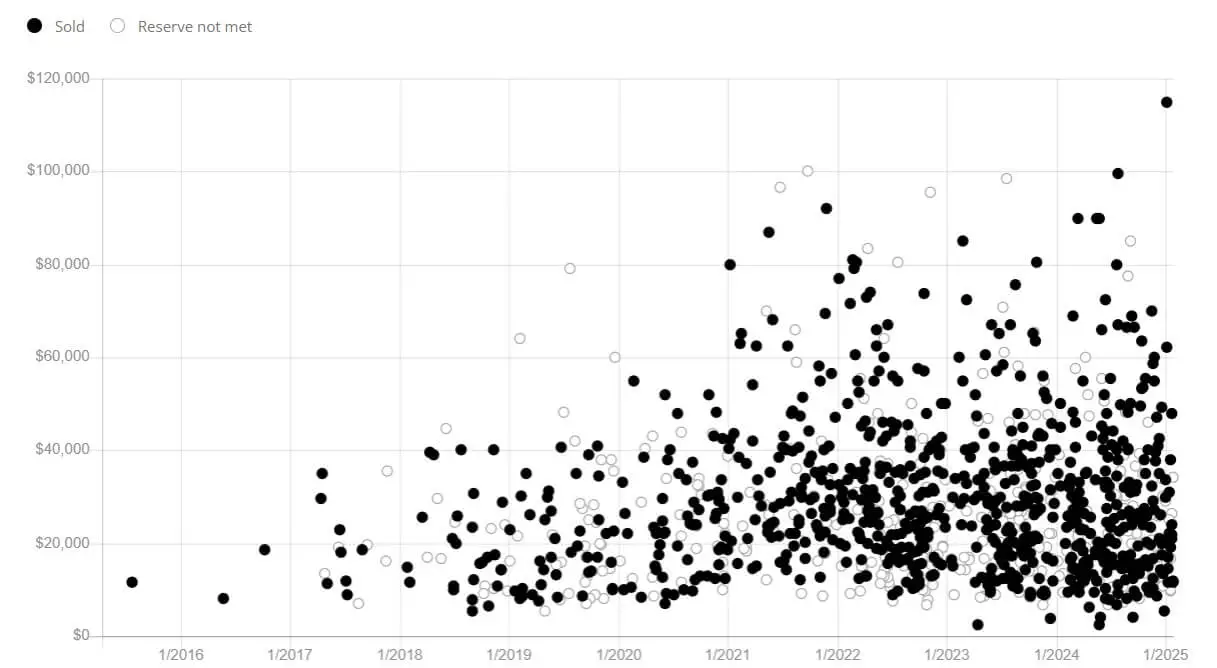
For investment purposes, originals tend to hold greater appeal. Restomods are better for those prioritizing the driving experience over future returns. However, in recent auctions, there has been a trend of restomod car prices rising significantly compared to stock cars.
Conclusion: Which One is Right for You?
The decision between a restomod and an original Corvette C3 boils down to your personal priorities.
- Choose an original C3, especially a chrome bumper Corvette, if you value authenticity, historical significance, and potential investment returns. It’s the purist’s choice, ideal for showcasing at car shows or preserving as a family heirloom.
- Opt for a restomod if you seek modern performance, comfort, and reliability while still enjoying the aesthetic charm of a classic Corvette. Restomods are perfect for regular driving and spirited road trips.
I personally enjoy the history of Corvettes and the advertisements and memorabilia associated with them, so I lean toward keeping the cars in their original condition. However, I can certainly understand the appeal of the restomod approach. Ultimately, everyone finds their own way to enjoy these amazing cars.
I personally enjoy the history of Corvettes and the advertisements and memorabilia associated with them, so I lean toward keeping the cars in their original condition. For example, my own 1976 Corvette, which I've kept numbers-matching and as close to factory specs as possible. However, I can certainly understand the appeal of the restomod approach. Ultimately, everyone finds their own way to enjoy these amazing cars.
Continue Exploring

Decoders Hub
VIN and trim tag decoders, checks, and guidance for authenticity and data lookups.

C3 Years Hub
Spotter guides and model‑year differences with jump links to each year’s in‑depth pages.

Articles Hub
Technical guides, history deep‑dives, buyer notes, and special features for the C3 era.
Share Your C3 Knowledge
Have insights to share? We welcome your expert feedback, technical discussions, and Corvette-related stories. Your contributions help keep this Corvette community thriving! Join the conversation below.
Page last updated: January 2026