
Corvette C3 Engine Code Decoder
1968–1982 • 100% Free
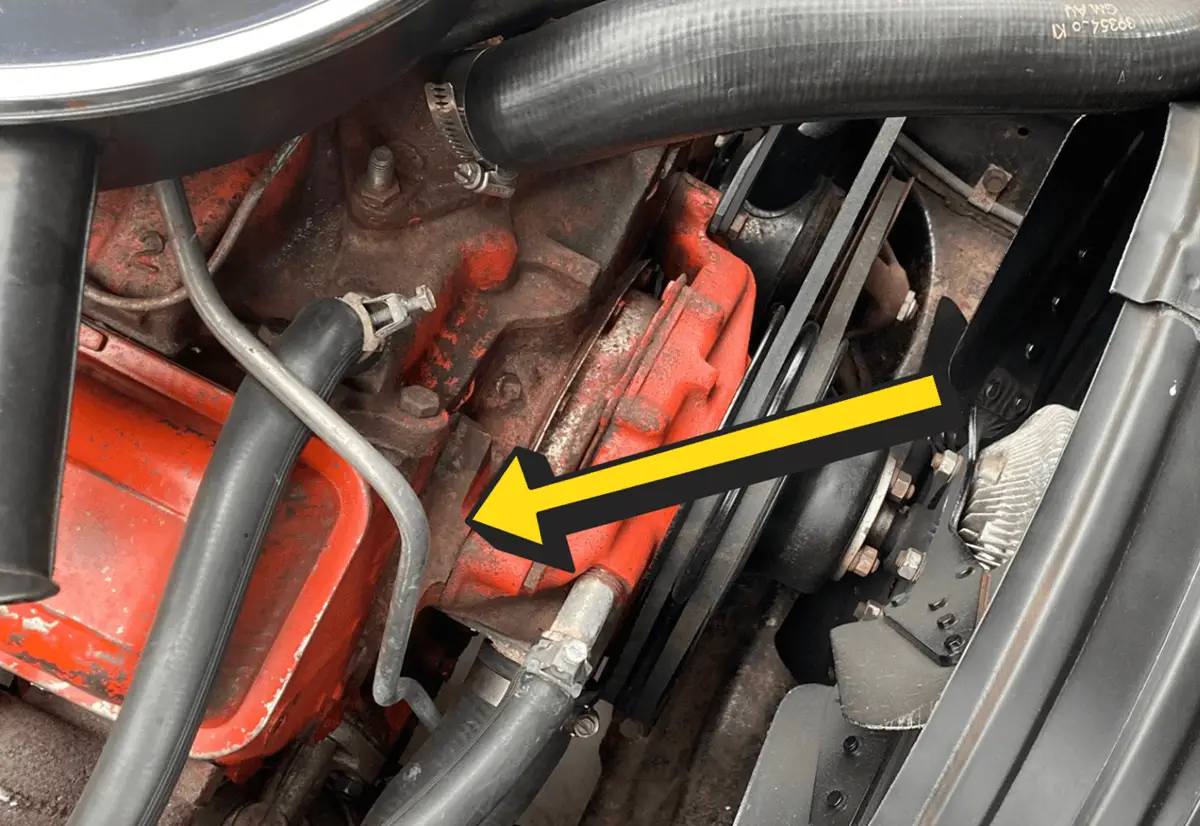
The engine code (assembly date + suffix) and the partial VIN are stamped on a pad located on the front passenger side of the engine block, near the water pump. Use this decoder to interpret the suffix codes, match the partial VIN against your vehicle's full VIN sequence, and read the block casting number. These steps are essential for accurate numbers-matching verification.
Decode Your C3 Engine Codes
| Engine code |
|
|---|---|
| Engine partial VIN |
|
| Block casting number |
|
| Corvette C3 Engines |
|
How to Read C3 Engine Codes, Partial VIN & Block Casting
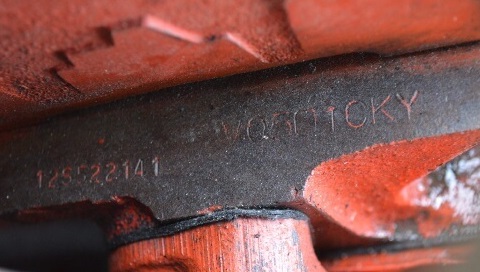
The engine code, which consists of the assembly date and suffix, along with the partial VIN, is stamped on the front passenger side of the engine block near the water pump.
Engine Suffix Code
The engine code is stamped on the engine block and provides key information about the engine’s build. It consists of the assembly plant code, build date, and the actual suffix code that defines the engine’s specification (such as horsepower rating, transmission type, carburetion, and application). The full engine code is created and stamped at the engine assembly plant before the engine is shipped to the vehicle assembly plant. The first letter indicates where the engine itself was assembled (e.g., V for Flint, Michigan, the primary plant for most C3 Corvette small-block engines).
Example:
- V0101CJL → V (assembly plant: Flint, where the engine was assembled) / 0101 (build date: January 1) / CJL (suffix code specifying the exact engine configuration)
Partial VIN
The partial VIN (also called the engine VIN) is stamped on the engine block and links the engine directly to the specific Corvette it was installed in. It includes the division code, model year, vehicle assembly plant code, and the last six digits of the car’s production sequence number. The stamp is typically applied after engine installation at the vehicle assembly plant — St. Louis (plant code S) for most C3 production, with a transition in 1981: early 1981 models built in St. Louis and later 1981 models plus all 1982 models assembled in Bowling Green, Kentucky (plant code 5). This ties the partial VIN to the car’s full VIN via the matching sequence number.
- 12S123456 → 1 (division: Chevrolet) / 2 (model year: 1972) / S (vehicle assembly plant: St. Louis) / 123456 (sequence number matching the last six digits of the car’s VIN)
How to Verify Engine Identification
To confirm that an engine belongs to a specific Corvette C3, use the trusted tools at Corvette C3 Decoders and follow these steps:
1. Decode the Full VIN
Enter the car’s complete VIN into the VIN decoder. The decoder reveals:
- Division
- Model year
- Assembly plant
- Production sequence number (last six digits)
2. Check the Engine’s Partial VIN
Locate the partial VIN stamped on the engine block. Enter the partial VIN into the Engine Code Decoder and check whether the sequence number matches the VIN decoder’s sequence number. The last six digits must match exactly for the engine to be original to that specific car.
3. Decode the Full Engine Code
Enter the full engine code into the Engine Code Decoder. This will confirm:
- Engine assembly plant
- Engine build date
- Specification details (suffix code)
Changes in Engine Code Format Over Time
Engine code formats and the appearance of the stampings evolved throughout the C3 production years. A significant change took place in 1977, when both the structure of the code and the style of the stamping were updated.
During verification, always compare the engine code format and stamp characteristics against known examples from before 1977 and after 1977 to ensure they match the correct production period. Be especially careful because letters and numbers can sometimes be difficult to distinguish due to wear, rust, poor stamping quality or similar-looking characters (for example, 1 and I, 0 and O, 5 and S). Examine the stamp closely under good lighting and possibly with magnification.
Additionally, if the engine has been rebuilt or refurbished at some point, the original stampings may have been partially or completely removed during machining or cleaning processes. In such cases, the absence of clear markings makes definitive identification more challenging or impossible based on the block alone.
examples during verification.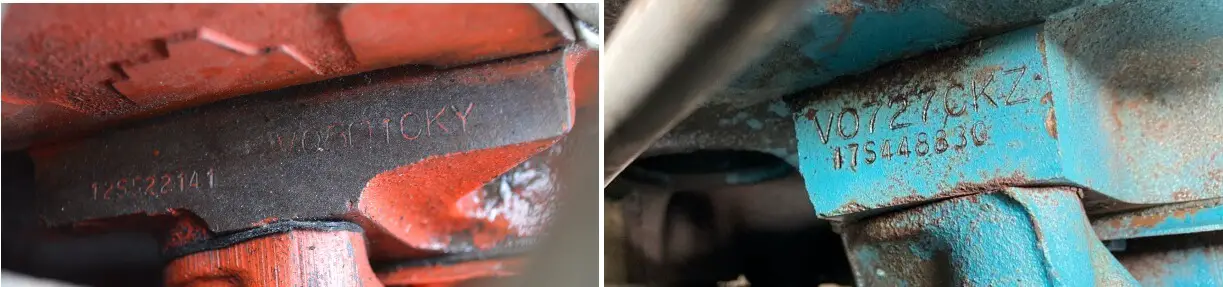
Block Casting Number
The block casting number sits on the rear flange where the block meets the transmission bellhousing. It identifies block family and years used (e.g., 350, 454 families).
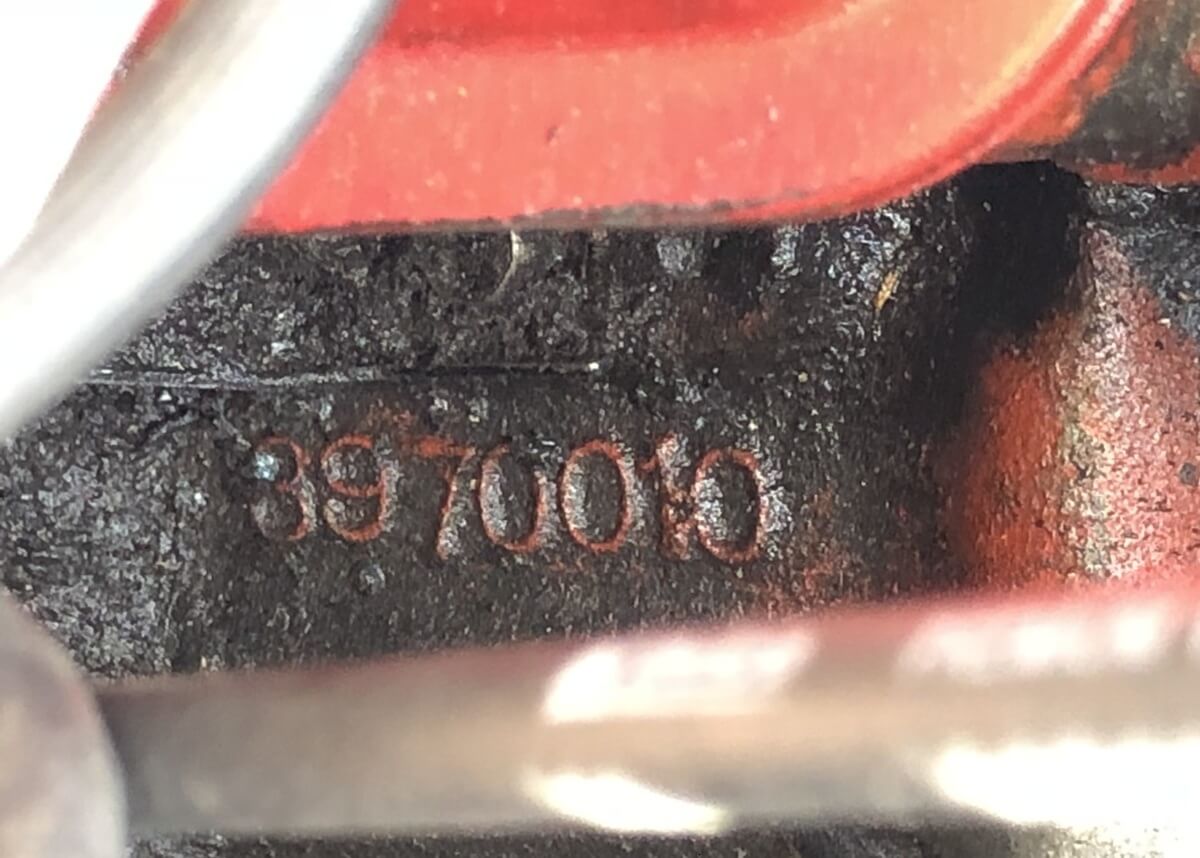
Many Corvette C3s have had their engines replaced over the years with almost any Chevrolet V8 from the factory lineup, and this decoder also recognizes non-Corvette engine/block codes.
Case study: See my numbers‑matching check on a 1976 engine.
Continue Exploring

Decoders Hub
VIN and trim tag decoders, checks, and guidance for authenticity and data lookups.

C3 Years Hub
Spotter guides and model‑year differences with jump links to each year’s in‑depth pages.

Articles Hub
Technical guides, history deep‑dives, buyer notes, and special features for the C3 era.
Share Your C3 Knowledge
Have insights to share? We welcome your expert feedback, technical discussions, and Corvette‑related stories. Your contributions help keep this Corvette community thriving!
Page last updated: January 2026