
7 Reasons the Corvette C3 Is a True Classic
The Corvette C3 burst onto the scene in 1968 and left an indelible mark on automotive history. Produced through 1982, it holds the record for the longest production run of any Corvette generation with 15 years of evolution and pure American muscle. From its aggressive 'Shark' styling to its legendary small and big-block engines, the C3 captured the spirit of its era perfectly. Whether you're a lifelong Vette enthusiast or just discovering the third generation, here are seven standout elements that make the C3 a timeless classic.
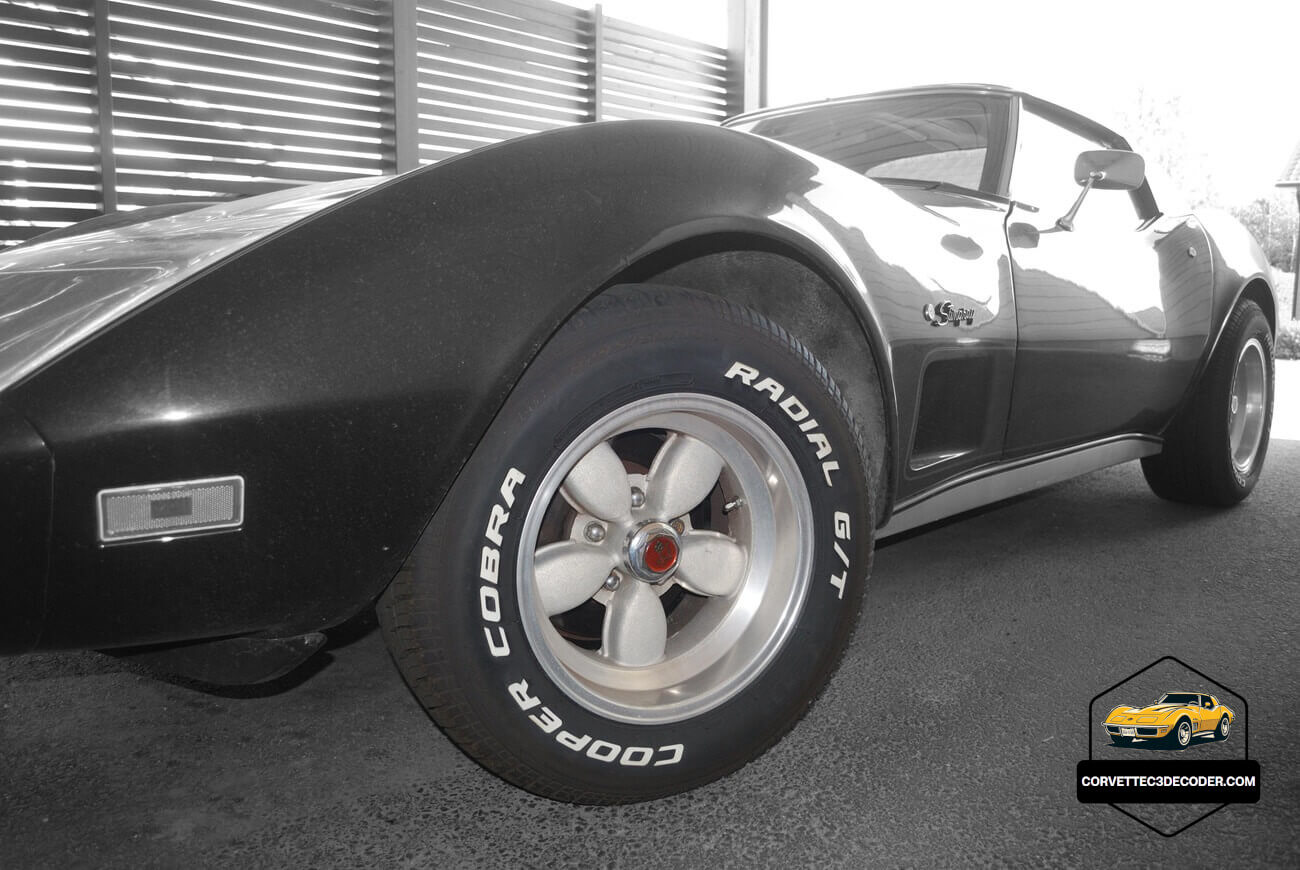
1. Shark-Like Body Lines
You don’t need to be a die-hard Corvette expert to spot a C3 from a mile away. With its long, pointed nose, flowing fenders, and iconic 'Coke-bottle' silhouette, it’s clear this car wasn’t built to blend in. The design came straight off the stunning Mako Shark II concept car, resulting in a shape that looked fast just sitting still. It’s a look defined by pure attitude and an aggressive, predatory vibe that no other car on the road could match.
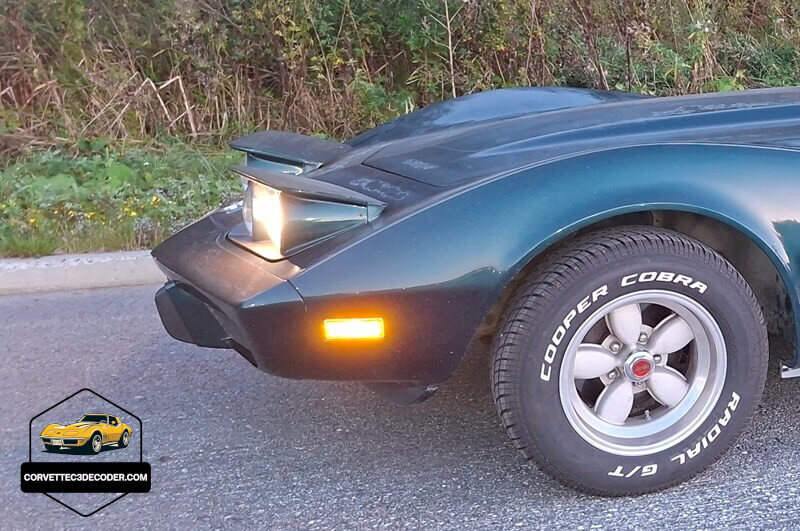
2. Hidden Pop-Up Headlights
Carried over and refined from the C2, the vacuum-operated pop-up headlights added a futuristic flair to the C3's bold design. Flipping them up feels like waking the car from a slumber, and even today, they remain one of the most iconic features in automotive history. It’s that perfect blend of form and function that screams vintage Corvette.
3. Removable T-Tops and Convertible
Introduced in 1968, the T-top design offered an open-air experience without sacrificing structural rigidity, a smart compromise for a performance car. While convertibles were dominant early on, accounting for 65% of production in 1968 (18,630 units), demand dropped sharply throughout the 1970s. Shifting tastes and tightening regulations saw that figure plummet to just 12% by 1975. Following that model year, Chevrolet discontinued the convertible, making those early 'ragtops' highly sought-after classics that command premium prices today.
4. Real Muscle Under the Hood
The C3 wasn't just eye candy, as it delivered serious performance. Early models featured legendary small-block 327s and 350s, while big-block options like the 427 and 454 provided brutal power. The L88 427 was the ultimate beast. Officially rated at 430 horsepower, it was widely known to be underrated, with real-world output often exceeding 500 hp in race-ready form. These engines weren't about refinement; they were built for tire-shredding acceleration and a thunderous exhaust note that defined an era of American muscle.
5. Chrome Bumpers and the Urethane Switch
Early C3 models produced between 1968 and 1972 featured gleaming chrome bumpers front and rear, giving them a classic shine and vintage aggression. Federal safety regulations changed the landscape starting in 1973. A urethane front end appeared that year while chrome remained at the rear, and by 1974, urethane bumpers wrapped both ends of the car. Many enthusiasts prefer the pre-1973 chrome-bumper cars for their cleaner and more muscular look. These early models truly embody the peak of the muscle car era with their extra flash and iconic presence.
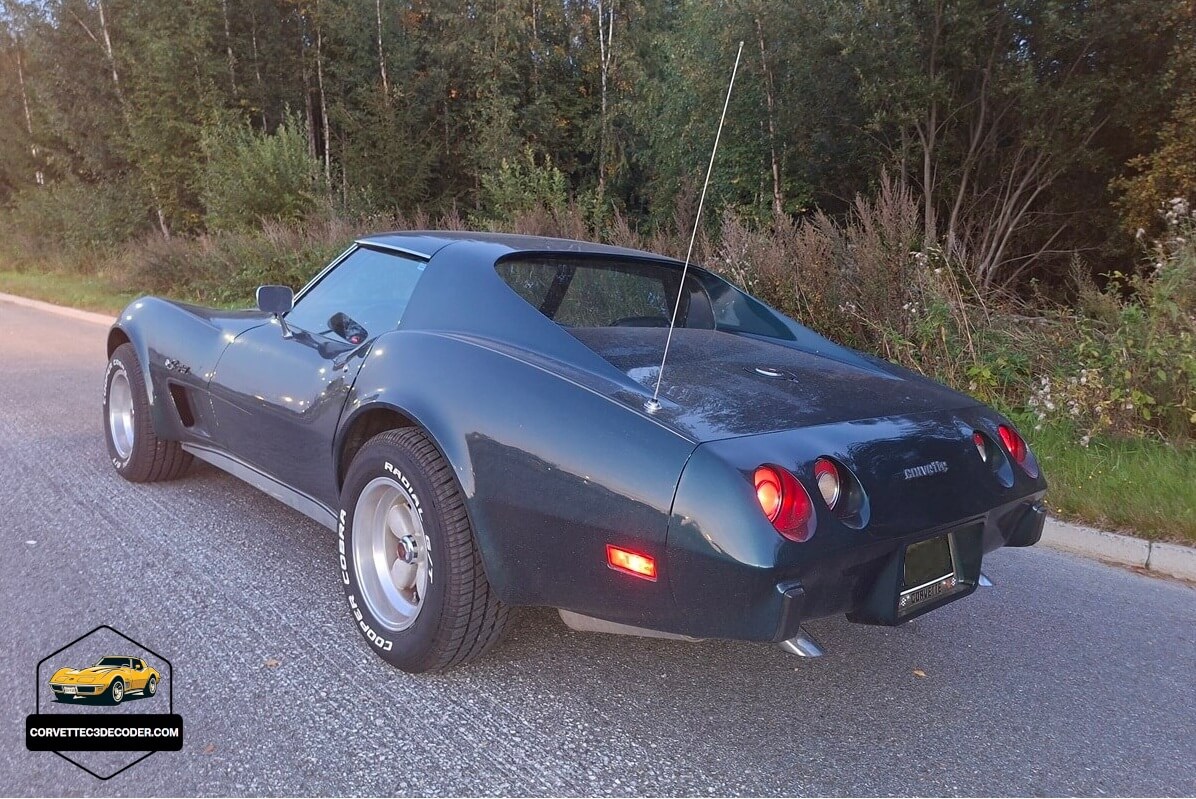
6. Special Editions
The C3 produced several memorable limited-run models that add to its collectible appeal. The standout is the 1978 Indy 500 Pace Car Replica, featuring a striking black-over-silver two-tone paint scheme with red accents. Corvette paced the Indy 500 for the first time that year, and Chevy built 6,502 replicas to ensure every dealership received one. Other highlights include the 1978 Silver Anniversary Edition with its two-tone silver paint and the 1982 Collector’s Edition, which featured unique champagne-beige paint, special wheels, and a lifting rear window. For those interested in performance rarities, the early ZR1 and Z07 suspension packages offer plenty of treasure to hunt for in the C3 world.
7. It Changed With the Times
Unlike shorter-lived generations, the C3 adapted across 15 years of massive change in the automotive world. Early models were raw, big-block brutes focused on straight-line speed. Later versions shifted toward better handling, improved emissions compliance, and grand-touring comfort, culminating in the 1982 Cross-Fire Injection small-block setup. Owning a C3 means owning a slice of American automotive history that spans from the height of the muscle car era through oil crises, emissions regulations, and the dawn of modern performance.
Ready to Decode Your Corvette?
The Corvette C3 is far more than just another old car, as it remains a rolling testament to an era when American V8 power ruled the roads. The shark-inspired looks, pop-up headlights, and roaring big-block engines all come together to make this generation truly special. Whether you are shopping for a new addition to your garage, restoring a project, or simply admiring from afar, start by decoding the VIN and trim tags. Knowing your car's exact specs, options, and originality can make all the difference in both your enjoyment and the vehicle's long-term value, just like in the full decode of my own 1976 Corvette Stingray, covering VIN, engine, carburetor, and more: View My 1976 Corvette Decode Example.
Continue Exploring

Decoders Hub
VIN and trim tag decoders, checks, and guidance for authenticity and data lookups.

C3 Years Hub
Spotter guides and model‑year differences with jump links to each year’s in‑depth pages.

Articles Hub
Technical guides, history deep‑dives, buyer notes, and special features for the C3 era.
Share Your C3 Knowledge
Have insights to share? We welcome your expert feedback, technical discussions, and Corvette-related stories. Your contributions help keep this Corvette community thriving! Join the conversation below.
Page last updated: March 2026